

estela46m43470
About estela46m43470
Law courts in the UK have a long and complex history that dates back to the early Middle Ages.
The law isn’t there to penalise one for unhealthy behaviour. With the Norman Conquest of England in 1066 brought significant changes to the judicial system.
Magistrates, who typically handle less serious cases, are often volunteers and not legally trained, whereas judges in higher courts are career professionals. There are all kinds of various kinds of courts and tribunals in the UK, a few of which are highly specialised and deal only with certain forms of issues.
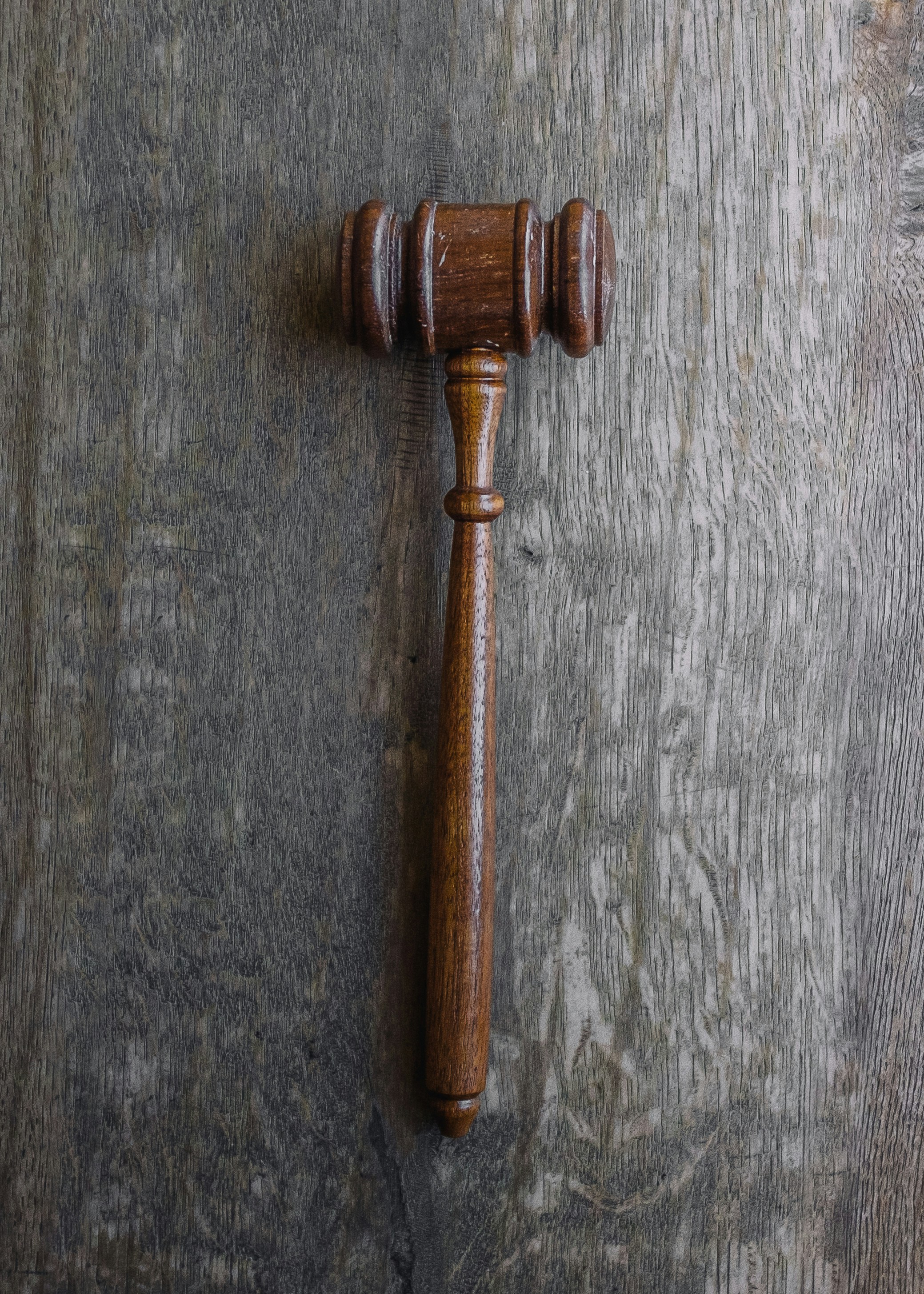
Members of the judiciary are selected for their experience and legal knowledge, and their independence from government is a key feature of the UK’s constitutional framework.
The UK judiciary remains an essential part of the democratic process, ensuring that laws are applied fairly and consistently. This helped to create a more centralized system of justice and a more uniform legal system throughout England.
These courts were usually presided over by a local lord, who would gather people in the community to discuss and resolve conflicts.
If you have any inquiries relating to in which and how to use marketing agencies, you can get hold of us at our own web site. It additionally locations sure restrictions on taking kids out of the UK.
One ultimate word: as it’s possible you’ll already know, the UK has three legal programs (i.e., England and Wales, Northern Eire, and Scotland). One of his most significant reforms was the establishment of circuit judges, who traveled the country to hear cases and ensure the uniform application of the law.
The project also considers the function of other international courts, such as the Worldwide Courtroom of Justice and regional human rights courts, within the response to mass atrocity situations.
They are tasked with interpreting and applying the law in a wide variety of cases, from criminal and civil disputes to family and employment matters.
Before the Norman Conquest in 1066, disputes were often resolved in local courts, where the community had a significant role in judgment. The most significant change was the creation of the King’s Court, or the Curia Regis, which was a royal court responsible for handling more serious disputes. The Normans introduced a more centralized form of government and legal system, and courts became more formalized.
During the Anglo-Saxon period. A pivotal moment in the history of UK law courts occurred during the reign of Henry II. He introduced reforms that expanded the reach of the royal courts and reduced the influence of local lords and barons. In conclusion, the court system in Britain reflect a diverse legal heritage shaped by centuries of development.
Magistrates’ Courts deal with summary offences, while County Courts handle civil matters such as family matters.
Above the High Court and Crown Court is the Court of Appeal, which is divided into the Civil Division and the Criminal Division.
It’s going to supply methods to improve coordination of nationwide and international criminal proceedings and higher utilisation of nationwide courts via, for instance, better formal and informal avenues of cooperation, interplay and resource sharing between nationwide and worldwide courts.
While the system has undergone significant changes over the centuries, its core principles remain rooted in the common law tradition, which continues to shape the legal landscape of the United Kingdom. At the base are the Magistrates’ Courts and County Courts. King Henry II (reigned 1154-1189) is often credited with establishing the framework for a unified legal system in England.
In modern times, UK law courts remain a vital component of the country’s legal system. In England and Wales, the hierarchy of courts consists of a range of levels.
This court marked the beginning of the English legal system as we know it today, with the king or his representatives overseeing the administration of justice across the land. However all of the courts and tribunals fall, kind of, into a reasonably well-outlined hierarchy.
The system was largely informal, with the decision-making process rooted in custom and tradition rather than written law.
With separate systems in its constituent nations and a clear hierarchical structure, the UK judiciary continues to evolve to the changing needs of society while remaining anchored in fundamental legal principles.
Northern Ireland also has a separate legal system that closely resembles that of England and Wales but includes its own High Court, Crown Court, and Court of Appeal.
A residence order additionally prevents anyone changing a baby’s surname with out the settlement of everyone with parental accountability or an order of the court docket except in Scotland, where a residence order does not stop a change in surname.
Any settlement is then produced as a doc which the court, if happy, makes right into a courtroom order confirming the terms of agreement. This court hears appeals from lower courts and clarifies legal principles that are binding on lower courts.
Whether settling a contractual disagreement, overseeing a criminal trial, or interpreting legislative intent, UK courts defend liberties and maintain public confidence in the legal system.
The Northern Ireland courts deal with both civil and criminal matters, and the UK Supreme Court remains the final court of appeal.

No listing found.